Łukasz:
Climate in Cyprus and Its Impact on Construction
☀️ Climate in Cyprus and its impact on construction
Cyprus has over 300 sunny days per year. For about half the year, the weather is typically vacation-like - cloudless skies, temperatures of 25-40 degrees, practically no rain. In July and August, over nine years of living here, it rained maybe twice. In winter, temperatures drop to 10-15 degrees during the day and 5 degrees at night, though once it froze to zero and there was a light snowfall.
In practice, for most of the year you can walk around in short sleeves. In winter, a thin hoodie and sneakers are enough; in summer - flip-flops and a cap.
🧱 Materials and construction methods in Cyprus
Houses in Cyprus are most commonly built from reinforced concrete, which forms the structural frame, along with brick or hollow blocks. This solution is resistant to heat and humidity, and is durable. Steel structures are sometimes used, but that’s rare.
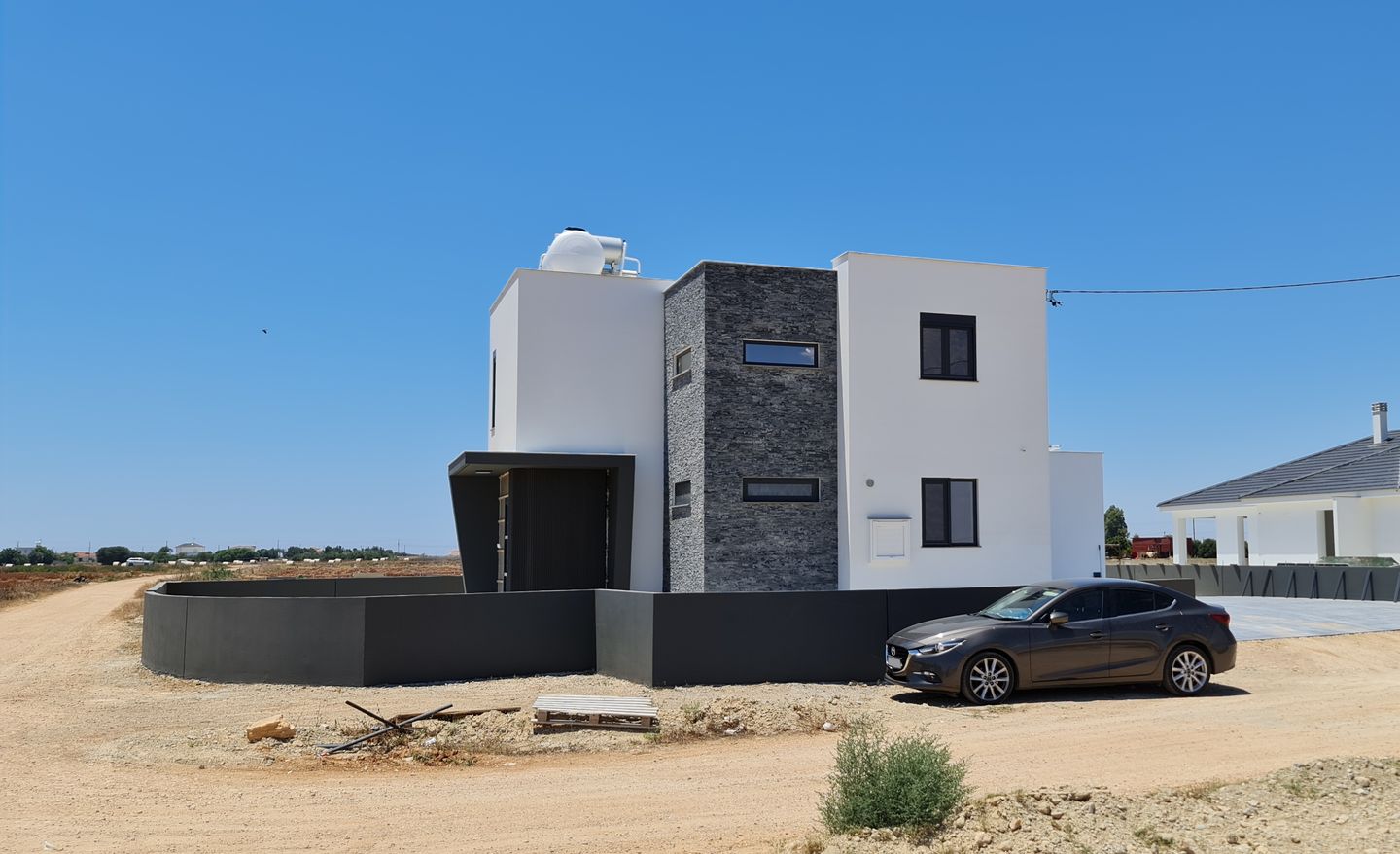
External walls are coated with a moisture-resistant layer, and roofs are generally flat or slightly sloped, covered with tiles. A characteristic feature is also balconies, which serve a completely different function here than in Poland. Thermal insulation is standard in key areas, but it’s worth paying extra to have it applied to the walls as well. Well-chosen windows - ideally triple-glazed - make an enormous difference in comfort and bills.
🌦️ Climate challenges - humidity and home maintenance
In winter, the biggest problem is humidity. In many rented houses, we had mold on the walls - the result of no heating and poor ventilation. In our home, this problem disappeared completely thanks to underfloor heating. Mechanical ventilation isn’t yet widespread, so regular airing of rooms is essential.
Why do Cypriot homes get cold in February? Read about what it looks like in practice.
In summer, houses heat up significantly, so air conditioning is essential. With well-done insulation and triple-glazed windows, however, you can maintain a stable temperature without high costs.
⚙️ Proven solutions for the Cypriot climate
In our case, the best combination is:
- triple-glazed windows
- white exterior walls
- heat pump
- underfloor water heating
- air conditioning in every room
This setup provides the ideal balance - warm in winter, cool in summer, and energy bills are exceptionally low. More and more people are also opting for solar panels, which are exceptionally profitable in Cyprus thanks to the almost constant sunshine.
How much do we really save with solar panels? I described it in a separate article.
🏚️ Maintenance and weather impact on buildings
The Mediterranean climate is beautiful, but it’s a challenge for houses. The air can be very dry or very humid, and strong wind and dust mean you need to more frequently:
- repair grout and silicone (e.g., in the kitchen and bathroom)
- repaint the exterior every few years
- regularly clean the air conditioning and windows
These aren’t large expenses, but you need to remember them to keep the house looking fresh and sealed over the years.
Climate in Cyprus means more advantages than disadvantages, but it requires thoughtful decisions during construction. It’s worth investing in good insulation, windows, and heating systems - they’ll pay back in lower bills and greater comfort. Cyprus is a place where you can design a house once and enjoy it for decades - if from the start you adapt it to the sun, wind, and humidity. A rooftop water tank is one of those features you’ll quickly get used to.