Konstantina:
Halloumi - Why Is It So Important to Cyprus?
I remember waking up on weekends as a child to the sound of halloumi sizzling in the pan. Grandma cut thick slices, and I waited with a piece of bread in hand, ready for the first hot bite. This ritual accompanied me throughout my life and still brings back the warmest memories.
Halloumi here isn’t just cheese. It’s a memory, a tradition, a source of pride, and a cultural symbol that follows you from childhood into adulthood.
Below I explain why halloumi is so important, not only culturally but also economically - adding a personal touch from my family traditions.
🧀 Halloumi every day - more than just cheese
In Cyprus, halloumi is part of everyday food culture in a very natural way. We don’t even think about it - it just is, the same way olive oil always sits in the kitchen.
How we usually eat it at home:
- Always in sandwiches (a classic second breakfast snack)
- Melted straight off the grill when we do karvouna (charcoal barbecue)
- As the first warm appetizer in meze - and if you want it to be perfect, you have to eat it hot before it cools down. More about the meze tradition here.
- In summer, always paired with watermelon - this is absolutely the best combination in the world
- Sometimes cold, but most of us prefer it grilled or fried, soft and stretchy
And of course, there are two types of people who always argue:
- Fans of fresh, soft, milky halloumi
- Fans of harder, drier, and saltier halloumi
Even such a small thing shows how personal every family’s approach to halloumi is.
👵 Family tradition: Grandma’s halloumi and the old recipe
One of my warmest family memories is my grandmother making halloumi by hand. She knows the old, traditional recipe, the one many foreigners never get to taste. To experience that flavor, they’d have to visit a tavern that truly cares about keeping traditions alive.
This is the original Cypriot halloumi, which has:
- a rich flavor
- an incredible aroma when grilling
- a perfect texture
- and a deeper cultural meaning
Grandma doesn’t just make halloumi - she also makes anari (a delicate whey cheese, similar to ricotta), and even anari tis koupas. This is a soft anari that, when mixed with water and sugar, turns into a warm, sweet “soup.” It’s the kind of recipe you only learn when someone loves you enough to pass it on.
We don’t buy halloumi from shops. We store grandma’s halloumi for years, and the tradition is passed down. Watching her cook with those old methods is like watching a small piece of Cyprus history that’s still alive.
🇨🇾 Why does halloumi define Cypriot identity?
Halloumi tells a bigger story about Cyprus:
1. Because it’s one of our oldest foods
People in villages were making it long before refrigerators existed. It was designed to survive the heat, keep for a long time, and feed families.
2. Because it’s tied to hospitality
When someone visits and you happen to be grilling, you always throw halloumi on the fire. Not offering it to a guest would be almost rude. At Cypriot weddings, halloumi is a mandatory part of the program.
3. Because it’s seasonal
Summer: halloumi and watermelon. Winter: grilled halloumi in pita, eaten at the table with family.
4. Because it brings families together
Making halloumi was never a one-person job. It was an all-day activity. A bonding moment between mothers, daughters, and grandmothers.
🌍 Foreigners’ reaction to real halloumi
Foreigners immediately notice the difference.
Outside Cyprus, halloumi is often made mainly with cow’s milk - it’s cheaper, softer, more rubbery, and has less flavor.
When they try the “real thing” here, the reaction is always the same:
- “Wow, this is so rich in flavor.”
- “This actually tastes like cheese.”
- “Why is this so much better?”
Because real halloumi has:
- the right blend of sheep and goat milk
- the proper texture when grilled
- that salty note that pairs perfectly with watermelon
- and a deeper aroma and taste that simply can’t be faked
It’s one of the first “culinary shocks” that foreigners experience in Cyprus - in the best possible sense.
💶 Halloumi as an economic powerhouse
Besides being delicious, halloumi is enormously important for the Cypriot economy:
- It’s one of the country’s largest export products
- It’s registered as a PDO product (Protected Designation of Origin) in the EU
- It creates jobs in agriculture, dairy production, small village workshops, and tourism
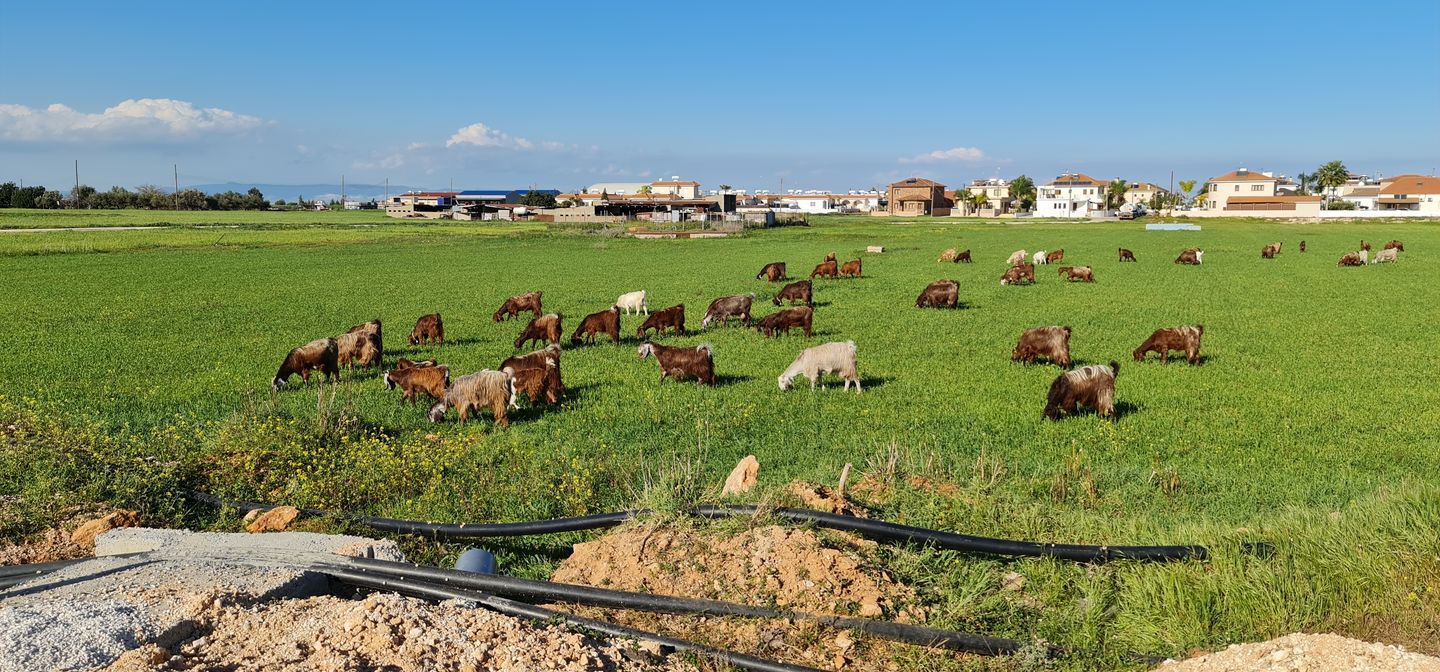
- It strengthens local agriculture by supporting sheep and goat farmers
- And it builds Cyprus’s cultural brand worldwide
When someone abroad buys halloumi, even if they don’t realize it - they’re buying a piece of Cyprus.
🔥 Halloumi on the grill: King of Cypriot gatherings
In Cypriot BBQ culture, halloumi isn’t a side dish - it’s the rule. When we do karvouna, we always throw slices on the grill.
You take a piece of pita, a piece of halloumi straight from the fire, a bite of whatever else is grilling… And that combination tastes like every childhood Sunday.
🫒 Food full of memories, identity, and family
Halloumi is so important here because it ties together:
- tradition
- family
- village culture
- hospitality
- agriculture
- economy
- and the very taste of Cyprus
For me, it will always remind me of:
- my grandmother’s recipes
- summer barbecues
- soft, milky slices melting on the grill
- and the sweetness of watermelon on hot afternoons
Halloumi isn’t cheese. It’s home.