Konstantina:
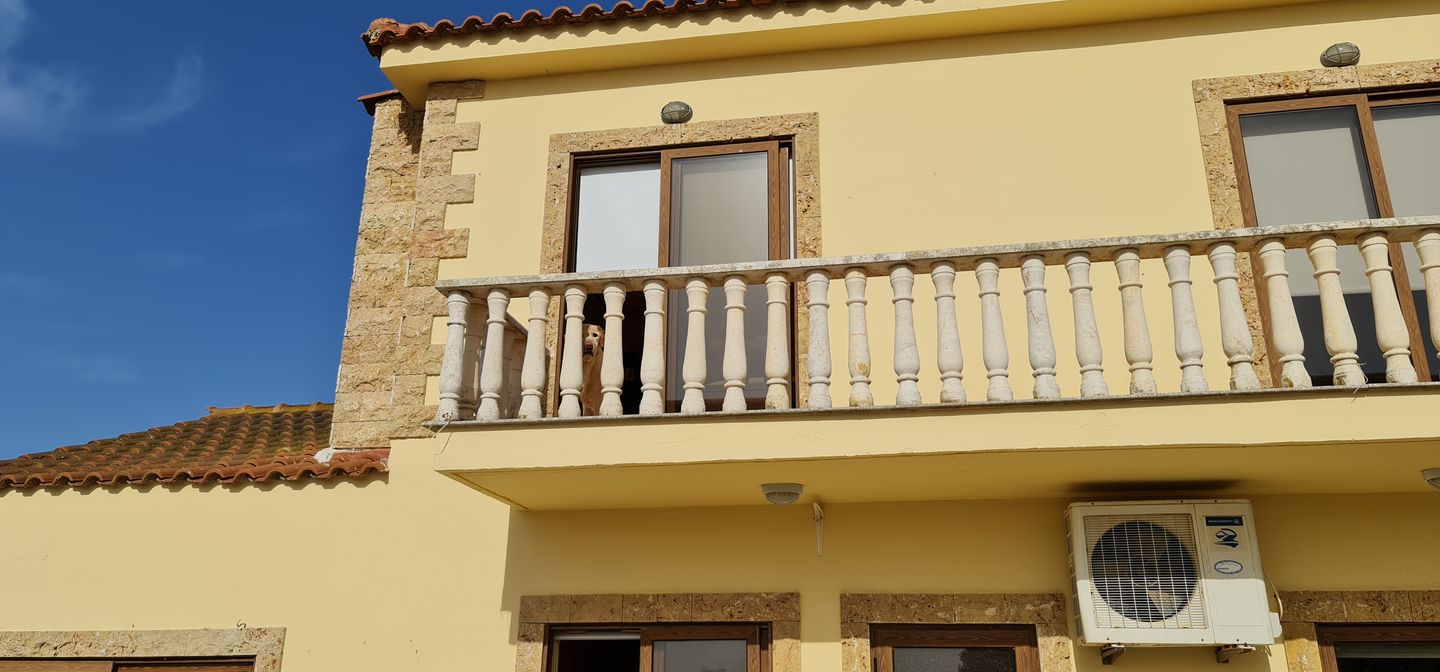
Balconies in Cyprus - Why Are They So Popular?
When I first visited my grandmother in her village, I didn’t remember the wall colors or the room layout - I remembered the balcony. That’s where we drank our morning coffee, waved at neighbors, and spent warm evenings. Over years of living in Cyprus, I noticed that this story repeats in almost every home - the balcony isn’t an addition, it’s the heart of daily life.
But to understand why balconies are such an important part of Cypriot architecture, you need to look at how houses were built in the past - and how we actually live day to day.
🏠 How older Cypriot homes were built - and why balconies were essential
In the 70s, 80s, and 90s, many houses were built with the main living area on the first floor, not the ground floor. The ground floor typically served as:
- a parking space
- storage
- or simply open space under the house (for future expansion)
To reach the actual living space upstairs, you had to climb external stairs.
Since the main part of the house was “elevated,” balconies weren’t just decorative - they were a natural outdoor space. People sat there, dried clothes, greeted neighbors, rested after lunch, and watched village life.
It was the Cypriot version of a patio, only suspended in the air. Siga siga in its purest form.
🌿 How balconies fit into daily life
Even today, balconies offer something unique. In many homes, you’ll see they’re used for:
- morning coffee
- evening chats
- a moment of breathing space after work
- drying clothes
- cooling off in summer with a slice of watermelon and halloumi
- hosting friends for a casual hangout
Most Cypriots grew up in homes where the balcony played some role in the daily routine. Even now, when modern houses more often use backyards, balconies still carry that nostalgic feel of the “old Cypriot house.”
🌬️ Cyprus weather = perfect balcony weather
We have long summers, warm springs, mild autumns, and plenty of sunny winter days. That’s why having outdoor space is a natural part of architecture.
Even in December, you might get a sunny afternoon with 18 degrees - perfect for coffee outside.
And in summer, sitting in a breezy spot outside gives more relief than sitting indoors (if you’re not using air conditioning). That’s why evening time on the balcony is almost therapeutic.
🍉 Balcony eating rituals
Something makes food in Cyprus taste better outdoors. Typical “balcony moments” include:
- Watermelon + halloumi in July
- Cold coffee (frappe) while watching the sunset
- Leftover souvli (grilled meat) eaten outside
- Evening ice cream
- Loukoumi (Turkish delight) served to guests
- A “quick chat” that turns into an hour-long gossip session on the balcony
These are simple things, but this is exactly what the Mediterranean lifestyle is about.
🌿 The dilemma: Backyard or balcony?
Nowadays, many families prefer backyards (called avli) for hosting guests and relaxing. You’ll often see there:
- pergolas with garden sofas
- outdoor TVs
- pizza evenings
- children playing
- casual summer dinners
But the balcony still plays its role - especially when it comes to privacy, morning rituals, and… drying laundry.
🧦 Drying laundry: A Cypriot classic
Balconies are ideal for drying clothes:
- Warm weather
- A light breeze
- Laundry dry in an hour (in summer)
Except on days when we have:
- Saharan dust
- strong winds
- rainy winter days
Despite this, almost every Cypriot apartment relies on balconies as the main drying area for most of the year.
🧱 Drawbacks of balconies (and why new homes have fewer)
While in old homes balconies were essential, modern construction is changing direction. People have learned from experience that balconies:
- require constant cleaning (dust, birds, leaves)
- can have moisture problems
- deteriorate over time (tiles, railings)
- require renovation every 10-15 years
- aren’t used as often when a comfortable ground-floor backyard is available
For this reason, newer homes - especially those built after 2000 - have adopted a different approach:
- Living on the ground floor instead of upstairs
- Large windows instead of balconies
- Smaller or fewer balconies, mainly decorative
- Open ground-floor terraces replacing the function of upstairs balconies
You still see balconies, but they’re no longer the main “outdoor living” space.
☀️ Trend shift: From big balconies to big windows
Many younger families prefer:
- wide windows (glass panels)
- sunlight streaming indoors
- backyards for hosting guests
Instead of multiple balconies they rarely use. It’s simply more practical, easier to clean, and better suited to modern lifestyles.
🌇 Balconies as part of Cypriot identity
Even though they’re used differently today, balconies still carry cultural meaning:
- They remind us of village life
- They’re connected to how our parents and grandparents lived
- They symbolize openness and connection to the surroundings
- They reflect the Mediterranean lifestyle - simple, relaxed, social
Even if new homes don’t rely on them like they used to, balconies will always be part of Cypriot home culture.
🏡 What balconies mean for us
Balconies in Cyprus are pieces of our history - shaped by how our homes were built, how families lived, and how much we love being outdoors.
Older generations used balconies every day because their homes were built around them. Newer generations use them more selectively, balancing between practicality and tradition.
But in every era, the balcony remains a small symbol of Cypriot life: sun, air, family, food, and a peaceful pace of life.