Konstantina:
Cypriot Potatoes - The Secret of the Red Villages
My grandfather used to say that he could tell whether a potato would be tasty by the color of the soil. As a child, I didn’t understand what he meant - until I saw how the intensely red earth around our village stained his hands during harvest. Today I know he was right: that soil is the heart of the Cypriot potato.
🥔 Red Villages - why the soil matters
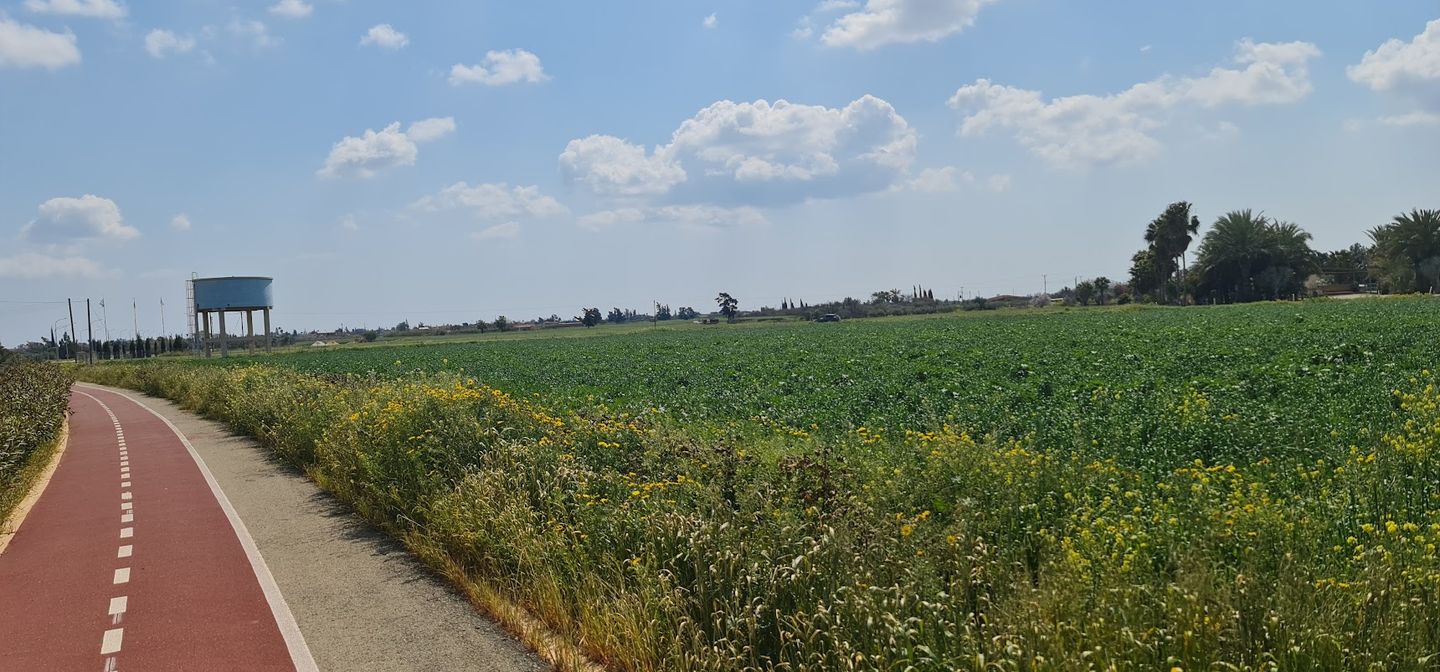
In eastern Cyprus, there’s a group of villages known as Kokkinochoria - which literally means “Red Villages.” Their name comes from the intensely red, iron-rich and mineral-rich soil that dominates the landscape there.
This earth is ideal for growing potatoes and other root vegetables. The combination of nutrients, Mediterranean sun, and mild climate helps produce potatoes that are exceptionally tasty, with a creamy texture and a slightly buttery flavor - qualities that many locals and foreigners love.
Farmers often harvest potatoes while they’re still relatively young - meaning they remain smaller, more delicate, and even tastier. This care in cultivation gives Cypriot potatoes their unique taste and texture.
📍 Xylofagou and Avgorou - villages that built their identity around the potato
Two of the places most associated with the potato’s fame are Xylofagou and Avgorou.
- Xylofagou lies in the very heart of the red soil area and has long been regarded as one of the main farming villages in Cyprus
- As a tribute to its heritage, the village erected a nearly 5-meter fiberglass potato monument - the famous “The Big Potato” - symbolizing pride in local agriculture
- Meanwhile, Avgorou is well known for growing not only potatoes but also fruits, and many households still rely on small-scale farming
🎉 Potato Festivals - from harvest to celebration
Potatoes in Cyprus are not just grown - they’re celebrated. Both Xylofagou and Avgorou organize annual potato festivals, where local residents and visitors come together to honor this humble treasure.
During these festivals you can:
- taste local potatoes prepared in traditional and creative ways
- meet farmers and learn about cultivation methods
- see exhibitions of old farming tools and machinery
- enjoy live music and local culture
It’s a mix of gastronomy, tradition, and community - a great reminder of how important potatoes are to local life.
🍽️ Taste, tradition, and why foreigners notice the difference immediately
People used to supermarket potatoes from other countries are often surprised by how different the Cypriot ones are. They are:
- exceptionally delicate
- full of flavor
- creamy and buttery
- delicious even when simply boiled or baked
This difference isn’t just about the soil - it’s also about local farming methods, smaller harvests, and a tradition of treating potatoes with respect rather than as a mass product. Many local dishes are based on these potatoes: from simple salads, through baked wedges, to stews and traditional dishes served in taverns that highlight their texture.
🌱 Supporting local farmers - not just nostalgia
Buying potatoes from these villages isn’t just about taste - it’s also about supporting small farmers and preserving centuries-old farming traditions.
Working the land isn’t easy here. Weather, soil care, water resources, and farming costs make it a demanding occupation. However, thanks to the residents’ respect for the land and community support, villages like Xylofagou and Avgorou still deliver the highest quality produce. By choosing potatoes from the “red earth,” you help maintain this way of life.
Cypriot potatoes - especially those from the red villages - carry with them history, identity, quality, and community pride.
If you’re in Cyprus even for a short time: try potatoes from Xylofagou or Avgorou. Eat them simply boiled or baked - they don’t need fancy seasonings. Taste the difference, because here potatoes are a genuine part of the Cypriot soul - just like halloumi.